
Are you planning to upgrade from laminate countertops after years of use? Stone countertops not only last longer but also handle heat, heavy pots, and daily spills with ease, giving your kitchen a surface that stays strong and beautiful over time. Unlike laminate, natural stones like granite and marble and engineered options like quartz and quartzite maintain their look and performance for years.
Modern surfaces like premium dekton stone countertops and porcelain add extra elegance and durability, letting you create a kitchen that is both stylish and practical.
Before buying, it’s important to keep in mind a few key factors. Considering your kitchen size, the strength of your cabinets, and the finish you want will help you pick the right stone for your space. Planning ahead ensures your upgrade goes smoothly and gives your kitchen a lasting, high-quality surface you’ll enjoy for years.
Here are the nine things to know before upgrading from laminate to stone countertops.
Stone Type Matters: Match Performance with Kitchen Needs
When it comes to stone countertops, the type you pick determines how well it stands up to cooking, cleaning, and everyday wear. Granite handles heat and heavy use with ease, quartz provides a consistent look while resisting daily spills and scratches, and marble works best in areas with lighter use.
Quartzite combines durability with natural patterns, while porcelain and Dekton resist stains, scratches, and fading. Make sure you choose the right material based on how the kitchen is used, your cooking habits, and your design goals to ensure long-lasting performance and a surface that meets everyday needs beautifully.
Cabinet Strength Is Key: Check Support Before Installation
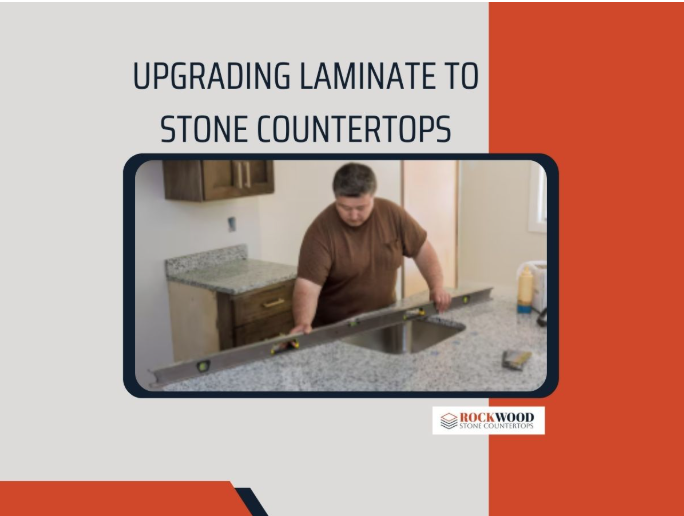
Unlike laminate, stone countertops are much heavier and require strong, well-supported cabinets to hold them safely. Before installation, inspect cabinets for strength, level surfaces, and stability. Reinforcing or upgrading cabinets if needed ensures the countertop fits properly, prevents sagging, and keeps seams aligned.
Taking these steps ahead of time makes installation smoother and avoids future issues. Proper cabinet support allows the stone to perform at its best, giving your kitchen a durable, stable, and long-lasting surface that withstands daily cooking, cleaning, and heavy use.
Planning Saves Time: Measure and Decide Early
No matter what type of stone you choose, if you don’t plan ahead, the process can become stressful and delayed. Make sure you take accurate measurements, set a clear budget, and decide on finishes and layout early to help the upgrade run smoothly. Consider sink placement, the weight of the countertop, and cutouts before installation to ensure the countertop fits perfectly. Planning ahead also helps coordinate installation with other kitchen work. Thoughtful preparation saves time, prevents surprises, and results in a durable, polished surface that performs well for years.
Color Sets the Tone: Select Shades That Suit the Space
The right color for stone countertops can make or break the overall look and feel of a kitchen. Lighter shades brighten the space and create an open, airy feel, while darker tones add depth and a sense of sophistication. Consider how the stone color complements cabinets, flooring, and lighting to create a cohesive, balanced look.
Choosing the right shade in advance highlights natural patterns, enhances style, and ensures the kitchen feels inviting, functional, and beautiful for years of daily use.
Finish Affects the Look: Pick a Finish That Fits Your Style
It goes without saying that the finish of a stone countertop changes both its look and feel. Polished finishes create a glossy, reflective surface that highlights natural patterns, while honed or matte finishes give a softer, more understated appearance. Textured finishes add depth and can help hide minor scratches or wear. Choosing the right finish depends on your kitchen style and how you use the countertop.
You should choose a finish that complements your cabinets, lighting, and overall design to create a cohesive, polished, and stylish kitchen look.
Thickness Affects Impact: Decide on a Bold or Subtle Look
The thickness of a stone countertop changes its visual impact and overall presence in the kitchen. Thicker slabs create a bold, substantial look that draws attention, while thinner edges give a lighter, more subtle appearance. Choosing the right thickness also affects durability, edge profiles, and how the countertop blends with cabinets and other design elements.
Deciding on thickness ahead of time ensures the countertop complements your kitchen’s style while providing the strength and functionality needed for everyday use.
Edge Protection Helps: Prevent Chips and Damage
Without a doubt, the edges of a stone countertop can be vulnerable to chips and damage if not properly protected. Make sure you choose the right edge profile, such as eased, bullnose, or beveled, to reduce the risk of everyday wear and impacts. Proper installation and careful daily use also help maintain the countertop’s integrity.
Paying attention to edge protection ensures your surface stays strong, keeps its polished look, and continues to perform well for years of regular kitchen use.
Lighting Affects Appearance: Consider Natural and Artificial Light
Lighting can dramatically change how stone countertops look in your kitchen. Before buying, think about how both natural and artificial light will affect the stone’s color and patterns. Natural light shows the true tones, while artificial lighting can alter shine and depth. Check samples in your kitchen at different times of day to see how they appear. Planning for lighting ahead helps you pick the right color, finish, and style, ensuring your stone complements cabinets, flooring, and fixtures and avoids surprises after installation.
Maintenance Needs Vary: Understand Basic Care Requirements
While there’s no denying that stone countertops can handle daily kitchen use with ease, different types require slightly different care. Granite and quartz are low maintenance and only need regular cleaning with mild soap and water. Marble may benefit from occasional sealing to prevent stains, while porcelain and Dekton resist most spills, scratches, and fading.
Understanding these basic care requirements ensures the countertop stays beautiful and functional for years. Simple habits, like wiping spills promptly and avoiding harsh cleaners, help preserve the stone’s appearance and performance.
Conclusion
Upgrading from laminate to stone countertops can transform your kitchen’s look and functionality. By understanding stone types, cabinet support, finishes, colors, maintenance, layout, edge protection, lighting, and thickness, you can make informed choices. Planning ahead ensures a smooth installation and a countertop that lasts for years.
Taking these factors into account before buying helps you pick a stone that not only enhances your kitchen’s style but also stands up to daily use, giving you a beautiful, practical, and long-lasting surface.
Are you looking to upgrade your kitchen with durable and stylish surfaces? Rockwood Stone offers a wide collection of stone countertops, including granite, quartz, marble, porcelain, and Dekton stone countertops, helping you find the perfect surface for your design and daily use.
Frequently Asked Questions
What makes stone countertops better than laminate?
Stone countertops offer durability, heat resistance, and scratch protection, keeping their appearance for years. Unlike laminate, they handle heavy use and daily spills without damage, making them a long-lasting, reliable choice for any kitchen.
Do stone countertops require special cleaning?
Stone countertops can be cleaned with mild soap and water. Harsh cleaners are unnecessary. Some stones benefit from occasional sealing to maintain stain resistance, depending on the material chosen.
Are stone countertops suitable for busy kitchens?
Yes. Stone handles heat, heavy cookware, spills, and scratches better than laminate. Its durability makes it ideal for kitchens with frequent cooking and daily activity.
Can cabinets support the weight of stone?
Stone is heavier than laminate, so cabinets must be strong and well-installed. Checking cabinet strength before installation ensures the countertop is fully supported and prevents potential issues over time.
Do stone countertops require special cleaning?
Stone countertops can be cleaned with mild soap and water. Harsh cleaners are unnecessary. Some stones benefit from occasional sealing to maintain stain resistance, depending on the material chosen.