
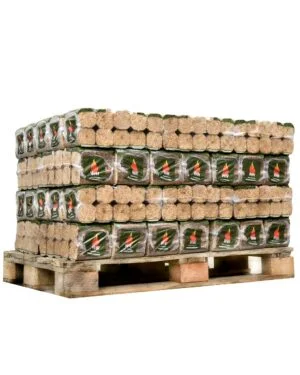
A wood-burning stove can provide reliable warmth, but its performance depends on more than simply lighting a fire and adding logs. The way firewood is stored, loaded, and burned can all influence how much heat reaches the room and how cleanly the stove operates. Small changes in everyday habits can make the appliance easier to use and may reduce unnecessary fuel waste. For households that rely on a stove regularly, improving these simple routines can make winter heating feel far more consistent.
Give the Fire Enough Air
A fire needs a good supply of oxygen, particularly during the lighting stage. One common mistake is reducing the air controls too soon. If the fire has not developed enough heat, restricting airflow can cause the flames to weaken and the fuel to smoulder instead of burning properly.
Allow kindling and smaller pieces of wood to establish a strong flame first. Once the stove reaches a stable operating temperature, the air controls can usually be adjusted gradually. The exact method will depend on the appliance, so following the manufacturer’s instructions remains important.
Avoid Filling the Stove Too Much
More wood does not always mean more useful heat. Overloading the firebox can restrict airflow between the logs and make combustion less efficient. It may also become harder to control the temperature once the stove is burning strongly.
Instead, add a sensible amount of fuel and leave enough space for air to circulate around it. Smaller, controlled reloads can be easier to manage than filling the stove heavily and then trying to slow it down. This approach also makes it easier to judge how quickly your household actually uses fuel.
Choose Log Sizes Carefully
Different stages of a fire benefit from different sizes of wood. Smaller pieces are useful when establishing the flame because they heat quickly. Once the fire is stable, larger logs can provide a longer burn and reduce the need for constant refuelling.
Using only large logs from the beginning can make lighting slower, while relying entirely on very small pieces may cause the fuel to burn faster than needed. A mixture of suitable sizes gives homeowners more control over the fire throughout the evening.
Keep Pellet Fuel in Good Condition
Households using compatible pellet-burning appliances also need to think about everyday fuel handling. Bags of wood pellets should be kept dry and handled carefully so the pellets do not absorb moisture or break down before use. Damaged or damp pellets may crumble, which can affect how smoothly they move through automatic feeding systems. It is also sensible to open only the amount needed and reseal or protect remaining fuel where possible.
Simple storage discipline can help keep pellet systems working more consistently.
Empty Ash at the Right Time
Ash management is another routine that can affect stove performance. Allowing too much ash to accumulate may restrict airflow in some appliances, while removing every trace after each fire may not always be necessary. Some stoves perform well with a thin layer of ash left in the firebox.
Check the manufacturer’s recommendations and empty ash when required rather than following the same habit for every stove. Always allow ash to cool fully before disposal, as it can retain heat for longer than expected.
Watch the Stove Glass
The glass door can provide useful clues about how the fire is burning. A small amount of residue is normal, but glass that becomes heavily blackened very quickly may suggest damp fuel, poor airflow, or a fire that is burning at too low a temperature.
Instead of cleaning the glass repeatedly without investigating the cause, look at the wider burning routine. Changes in fuel quality, loading technique, or vent settings may explain why soot is building up faster than usual.
Build a Consistent Refuelling Routine
Adding fuel at the right time helps maintain a steady fire. If logs are added too early, the stove may become overloaded. If they are added after the fire has almost gone out, the new fuel may take longer to ignite.
A good time to refuel is often when a strong bed of glowing embers remains. New logs can catch more easily at this stage, helping the stove return to an effective burn without needing to restart the fire completely. With regular use, this timing becomes easier to recognise.
Conclusion
Better stove performance often comes from simple habits rather than major changes. Giving the fire enough air, avoiding overloading, choosing suitable log sizes, maintaining fuel properly, and watching how the stove responds can all improve day-to-day heating. When homeowners pay attention to these small details, they gain more control over the fire, reduce avoidable fuel waste, and create a steadier source of warmth throughout the colder season.